Style Swicher

Purchase

About-Us

About Us

About Hijama (Cupping Therapy)

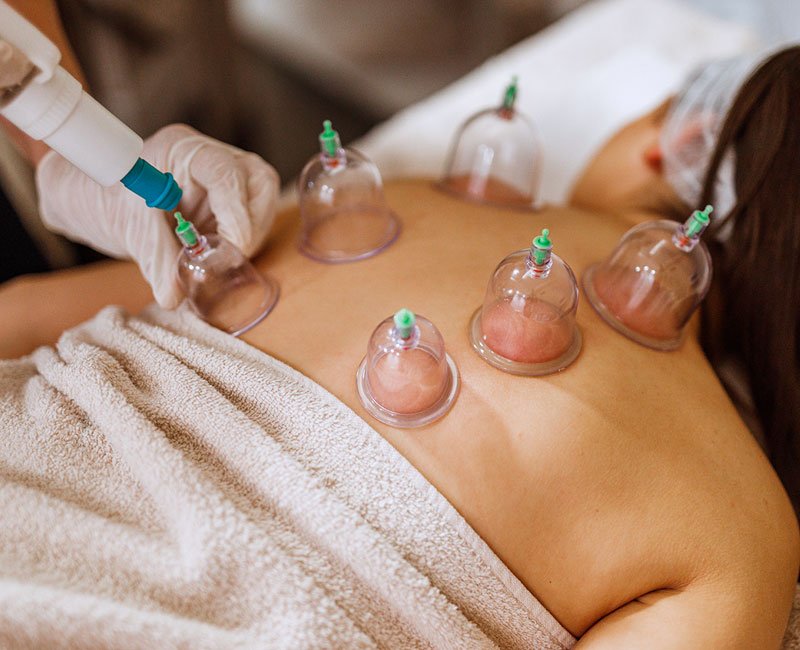
Hijama, also known as Cupping Therapy, is an ancient healing practice that involves creating suction on the skin using special cups to draw out “stagnant” or “toxic” blood. The word Hijama (حجامة) comes from the Arabic root “Hajm”, meaning sucking or drawing out. In modern practice, it’s performed using sterilized cups and vacuum pumps for safe and controlled suction.
  • Increase blood circulation
  • Remove toxins and metabolic waste
  • Reduce inflammation and pain
About

Your Practitioner

Dr. Shaik Tabrez

Certified Hijama specialist focused on safe, ethical, and result-oriented care.

Credentials

  • Certified in Hijama (Wet & Dry)
  • First-Aid & Basic Life Support (BLS) trained
  • Sterile, single-use tools • Medical-grade hygiene

Expertise

  • Pain & posture relief (neck, shoulders, back)
  • Athlete recovery & fascia release
  • Stress, migraines, fatigue & detox support

Comfort & Care

  • Consent-first, gentle approach
  • Private treatment rooms
  • Female chaperone available on request
Languages: English • Hindi • Urdu • Kannada • Telugu • Tamil
Session length: 30–60 mins
After-care guidance provided
“Your well-being comes first — we tailor each session to your comfort and goals.”

Safety & Hygiene Protocol

Single-Use

Sterile cups & blades are opened in front of you. Nothing is reused.

Aseptic Prep

Medical gloves, antiseptic cleaning, and draping ensure cleanliness.

Sharps Disposal

Used blades go into sealed sharps containers as per SOP.

Screening

  • Contraindications checked (e.g., anticoagulants, infections)
  • Consent & questions before we begin

After-Care

  • Keep points dry 24 hours, hydrate, avoid heavy workouts same day
  • We send follow-up guidance on WhatsApp

Our Approach

01 • Assessment

We discuss your goals, health history, and check suitability.

02 • Point Plan

Customized points chosen for pain relief, posture, or detox goals.

03 • Procedure

Dry or wet cupping performed gently with sterile equipment.

04 • After-Care

Guidance on diet, rest, and after-care; follow-up for better recovery.

Frequently Asked Questions

Does Hijama hurt?
Most clients report mild discomfort or a pulling sensation. We go gently and explain every step.
How many sessions are needed?
It depends on your goal. Many start with 1–3 sessions; we suggest a plan after assessment.
Will there be marks?
Temporary circular marks can appear and usually fade within 3–7 days. After-care helps them heal faster.
Who should avoid Hijama?
People on blood thinners, with active skin infections, severe anemia, or during pregnancy should consult first.